Why Slow Draining Water Ought To Never Ever Be Overlooked
Slow-draining water should not be disregarded due to the fact that it signifies much deeper plumbing problems. Obstructions from hair, oil, or debris can rise, leading to leaks, bursts, or costly repairs. Additionally, standing water fosters mold and mildew and germs, risking your wellness and interior air high quality. Early recognition helps maintain proper water drainage and stops extreme problems down the line. Attending to these indications promptly can save you time and cash. There's even more to discover about effective solutions and preventative procedures.
Takeaways
- Slow-draining water typically shows much deeper pipes problems that can intensify otherwise dealt with without delay.
- Ignoring slow drains can lead to expensive fixings from leaks or ruptured pipelines gradually.
- Standing water from slow-moving drain fosters mold and mildew and bacteria development, influencing indoor air high quality.
- Small clogs can become major pipes failings, resulting in considerable damages and higher repair costs.
- Early detection and positive maintenance enhance pipes performance and extend the system's lifespan.
The Hidden Signs of Plumbing Issues
When you notice slow-draining water, it might appear minor, however it can signify deeper pipes problems. Over time, sediment accumulation in pipes can restrict circulation, affecting not simply your shower room fixtures however also your yard irrigation system. If you see water pooling around fixtures or see unusual odors, these are indicators that you shouldn't disregard. A clogged up drainpipe can cause water damages, mold and mildew growth, and pricey fixings. It is important to look for leakages, as they can intensify drain troubles. Normal maintenance of both your restroom fixtures and watering systems can prevent these concerns from rising. Attending to these concealed indications early can conserve you money and time in the future, ensuring your plumbing remains efficient.
What Creates Slow Draining Water in Your Home?
Slow-draining water in your house can commonly be mapped back to a number of common causes. One main concern is blockages, which can take place from oil, hair, or particles building up in your pipes. The kind of pipe material in your pipes system— such as PVC, cast iron, or copper— can also influence drain performance. As an example, older pipelines might rust, leading to obstructions. In addition, water temperature plays a duty; warm water can liquify particular blockages however might likewise trigger oil to harden, intensifying slow-moving drains pipes. Poor ventilation in your pipes system can develop unfavorable pressure, more impeding drain. Identifying these reasons beforehand can help preserve proper water circulation and stop a lot more serious plumbing issues down the line.

Why Ignoring Slow Drains Can Lead to Larger Plumbing Problems
Overlooking slow drains pipes can appear like a minor hassle, but it typically signals deeper plumbing concerns that should not be neglected. If you allow it move, you take the chance of facing extra substantial issues down the line. Here are 3 reasons to act currently:
- Increased Tension on Pipes: Slow drainage can strain your plumbing, causing leakages or ruptureds.
- Greater Repair Expenses ****: Neglecting early signs might result in a lot more substantial damage, causing costly repair services.
- Health and wellness Risks: Standing water can cultivate mold and mildew and germs, impacting your home's air top quality.
Focusing on drainpipe cleaning and practicing efficient clog avoidance can conserve you time, cash, and trouble. Do not wait till it's far too late— address those sluggish drains today!
Top Debris That Frequently Clogs Drains Pipes
Obstructed drains pipes are frequently the outcome of common debris that builds up gradually. Among the most constant offenders is hair accumulation, which can conveniently catch soap scum and other particles in your pipelines. This mix develops a thick mass that blocks water circulation. An additional significant contributor is grease build-up. When you pour fats, oils, and oils away, they strengthen and stick to pipeline walls, causing blockages. Additionally, food fragments and small objects can aggravate these issues. Regular maintenance, like making use of strainers and avoiding pouring oil away, can aid mitigate these problems. By addressing hair and grease without delay, you can avoid extra serious pipes problems down the line.
Just How Tree Beginnings Block Your Plumbing
While lots of property owners concentrate on particles and grease as main reasons of pipes issues, tree origins can pose a considerable hazard to your pipes. These origins look for moisture and can infiltrate below ground pipes, leading to severe clogs. Here are 3 ways tree origins can disrupt your pipes:
- Seepage: Roots can penetrate cracks in pipes, producing access points for soil and debris.
- Growth: As roots grow, they can exert stress on pipelines, triggering them to split or damage.
- Clog: Once within, origins can develop thick globs that block the flow of water.
Ignoring indicators of sluggish drain could bring about pricey repair work. Recognizing tree roots' influence on your below ground pipelines is vital for maintaining a healthy and balanced plumbing system.
Should You Call a Plumbing technician? Below's Exactly how to Decide?
Choosing whether to call a plumbing can be difficult, specifically when you're confronted with slow-moving draining water. Beginning by examining the seriousness of the concern. If it's a minor trouble, you might think about temporary options. Nonetheless, if the issue lingers, or if you discover multiple drains pipes impacted, it's time to act. Emergency situation readiness is important; unsettled drainage problems can escalate right into costly fixings. Routine plumbing maintenance is essential to avoid future troubles, so if your drains are continually sluggish, speaking with a specialist is sensible. A plumbing professional can identify underlying concerns, guaranteeing your system operates efficiently. Don't wait until it's also late— aggressive actions can save you cash and hassle over time.
Do It Yourself Solutions for Minor Drain Issues
If you're encountering small water drainage problems, there are several DIY services you can try before calling a plumbing technician. These methods can assist preserve appropriate water pressure and address typical pipe product issues.
- Clear Obstructions: Make use of a plunger or a plumbing professional's serpent to get rid of clogs in your drains pipes. This can bring back circulation and improve water pressure.
- Baking Soft Drink and Vinegar: Pour a mixture of baking soft drink and vinegar away. This natural treatment can break down small build-up in pipes, no matter product.
- Inspect and Tighten up: Examine your pipeline links for leakages. Tightening loose installations can stop water pressure concerns and additional damages.
Long-Term Prices of Ignoring Drainpipe Issues
Ignoring slow-draining water can result in considerable lasting costs. You'll deal with raised fixing expenses, possible property damage, and also wellness risks from mold and mildew and germs growth. Addressing these concerns promptly can conserve you time and cash in the future.
Raised Repair Work Costs
While it may seem harmless in the beginning, slow draining pipes water can cause substantially raised repair work expenditures over time. Disregarding these issues can have serious economic implications, including:
- Raised Water Stress: Slow drainage can develop stress buildups, causing break pipelines and costly repair work.
- Deteriorating Pipe Insulation: If water goes stale, it can weaken insulation, boosting power costs and requiring replacements.
- Hidden Damage: Slow drains usually signal underlying concerns that, if overlooked, can intensify right into comprehensive damage, needing costly interventions.


Building Damages Threats
Slow-moving draining pipes water not just leads to increased repair work costs however likewise poses substantial risks to your residential or commercial property. Disregarding drain concerns can minimize water pressure and concession water drainage effectiveness, bring about structural damages. Gradually, stagnant water can permeate right into foundations, causing cracks and mold development.
Residential property Threat
Long-term Influence
Price Implication
Foundation Damages
Architectural instability
High repair work costs
Mold and mildew Development
Wellness threats
Removal and remediation
Landscaping Damages
Boosted erosion
Substitute costs
Pipe Deterioration
System failings
Major pipes costs
Addressing slow drain without delay can protect against these dangers, preserving your building's integrity and conserving you money over time.
Wellness Hazards Appearance
Ignoring drain concerns can lead to significant health and wellness risks gradually. When water drains pipes slowly, it can create an atmosphere ripe for troubles. Below are 3 important problems you should be conscious of:
- Mold and mildew Development: Stagnant water advertises mold and mildew, which can set off respiratory concerns.
- Bacterial Contamination: Standing water can harbor harmful germs, leading to infections or health problems.
- Water Staining: Contaminants can trigger water discoloration, suggesting possible toxic substances that could impact your health and wellness.
Additionally, you may discover unpleasant smells rising from drains pipes, signifying degeneration or waste buildup. Ignoring these indications not only influences your home's environment but can also bring about lasting health and wellness difficulties for you and your household. Acting now can protect your well-being.
Preventative Steps for Flowing Drains
Addressing issues with your drains early can save you from expensive repair services down the line. Regular drain cleansing is important to avoid clogs and buildup. Use enzyme-based cleansers or warm water to damage down grease and particles. Avoid chemical cleansers; they can harm pipes gradually.
Including routine pipe maintenance is important as well. Examine your plumbing systems periodically for leaks or rust, and make sure all components are working properly. Take into consideration setting up drain strainers to catch hair and particles before they enter your pipes.
Ultimately, routine expert assessments every year to capture any concealed concerns. By taking these preventative steps, you'll maintain correct water drainage and extend the life-span of your pipes system. Do not await issues to emerge— be proactive!
Often Asked Concerns
Just How Can I Tell if My Drainpipe Is Clogged?
To inform if your drain's clogged, expect slow drainage, gurgling audios, or a persistent drainpipe odor. You may also discover water pooling around the drainpipe location. If you see rust or discoloration on pipelines, it can indicate pipe corrosion, commonly connected to clogs. Consistently check your drains pipes to capture problems early— neglecting them can cause even more significant problems down the line. Maintain an eye out for these signs to keep your plumbing.
What Tools Do I Required for DIY Drain Cleaning?
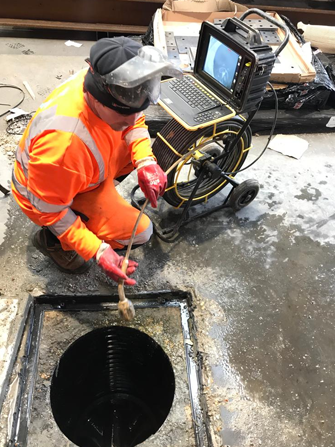
For DIY drain cleaning, you'll want a few helpful tools. A plumbing snake is important for reaching deep blockages, while an enzyme cleaner can delicately damage down organic product without severe chemicals. You could likewise require a plunger to tackle small clogs, and a bucket to capture any overflow. With these tools at hand, you'll be fully equipped to recover your drains pipes to their previous magnificence effectively and successfully.
Can Slow Drains Influence My Water Expense?
Yes, sluggish drains can definitely impact your water expense. When water drains pipes gradually, it often means your plumbing isn't operating efficiently, which can bring about boosted use as you run faucets longer to attain the exact same outcomes. This not only increases your expense but likewise threatens water conservation initiatives. Normal pipes upkeep is necessary to guarantee peak circulation and stop unneeded prices. Dealing with slow drains pipes without delay can conserve you cash over time.
Are Specific Drains Much More Prone to Clogging?
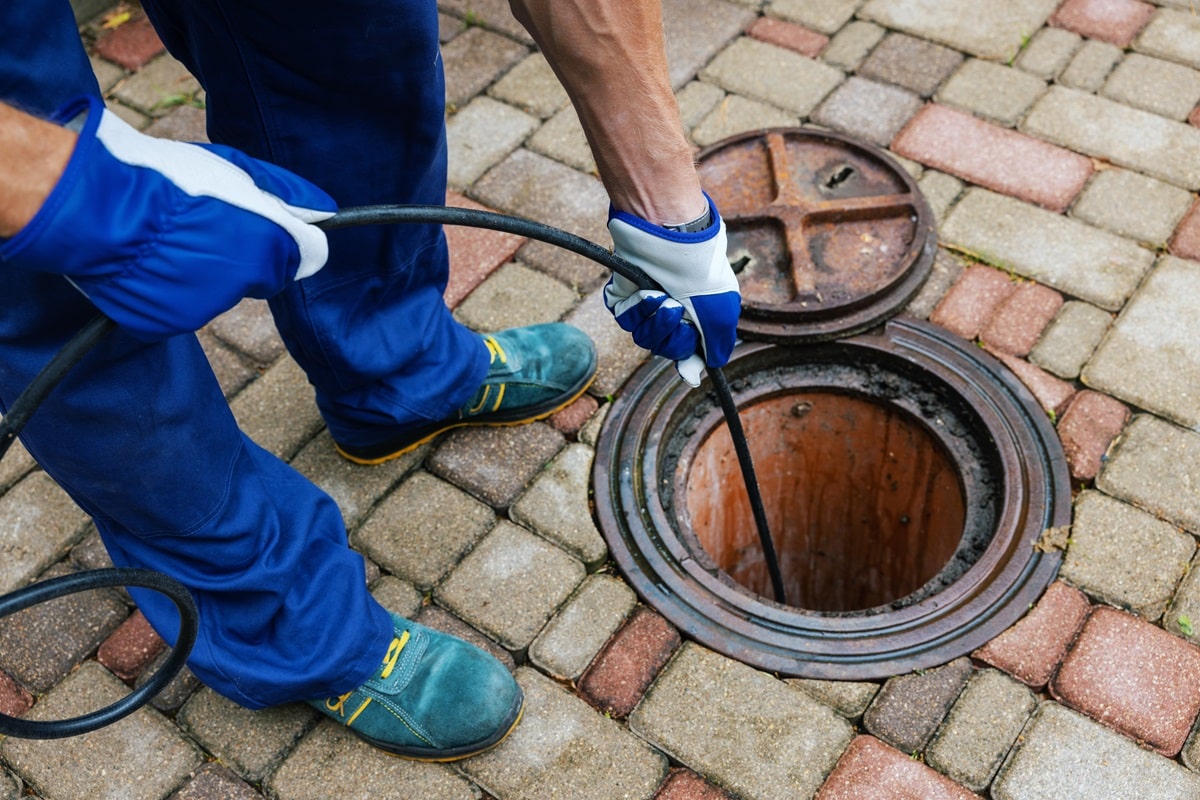
Yes, particular drains are most definitely a lot more prone to blocking. For circumstances, older pipelines made from materials like actors iron or clay can gather particles with time, while PVC drains could resist build-up far better. Your use habits additionally play a vital duty; frequent disposal of oil or hair can lead to obstructions in sinks and showers. Routine maintenance and mindful use can aid alleviate these concerns, ensuring your drains function correctly.
How Often Should I Examine My Drains?
You ought to check your drains a minimum of two times a year as part of your pipes upkeep regimen. Normal checks help determine early indicators of obstructions or leaks, making certain drainpipe safety in your home. If you observe slow-moving water drainage, it's important to examine much more regularly. soakaway installation Keeping an eye on your drains will conserve you from pricey repair services later on, allowing for better total pipes wellness. Do not wait until a problem occurs; be proactive!